
Healthy, hydrated skin is a goal for many people seeking modern aesthetic treatments. As more individuals choose non-surgical options to improve skin quality, questions about temporary side effects naturally arise. Many people researching Skin Booster Dubai treatments wonder why bruising sometimes appears after injections and whether it is something to worry about. Although bruising can look alarming, it is usually a normal part of the skin's healing response. Understanding why it happens, how long it lasts, and what influences recovery helps patients feel more confident before and after treatment while making informed decisions about their skincare journey.
Why Does Bruising Happen After Skin Boosters?
Bruising develops when tiny blood vessels called capillaries are disturbed during the injection process. Since skin boosters are delivered through very fine needles or cannulas, these small vessels can occasionally break, allowing a small amount of blood to collect beneath the skin.
The severity of bruising varies from person to person. Some individuals experience only tiny marks, while others notice more visible discoloration depending on their skin sensitivity, circulation, and natural healing ability. Injection depth, treatment area, and the number of injection points can also influence the appearance of bruises.
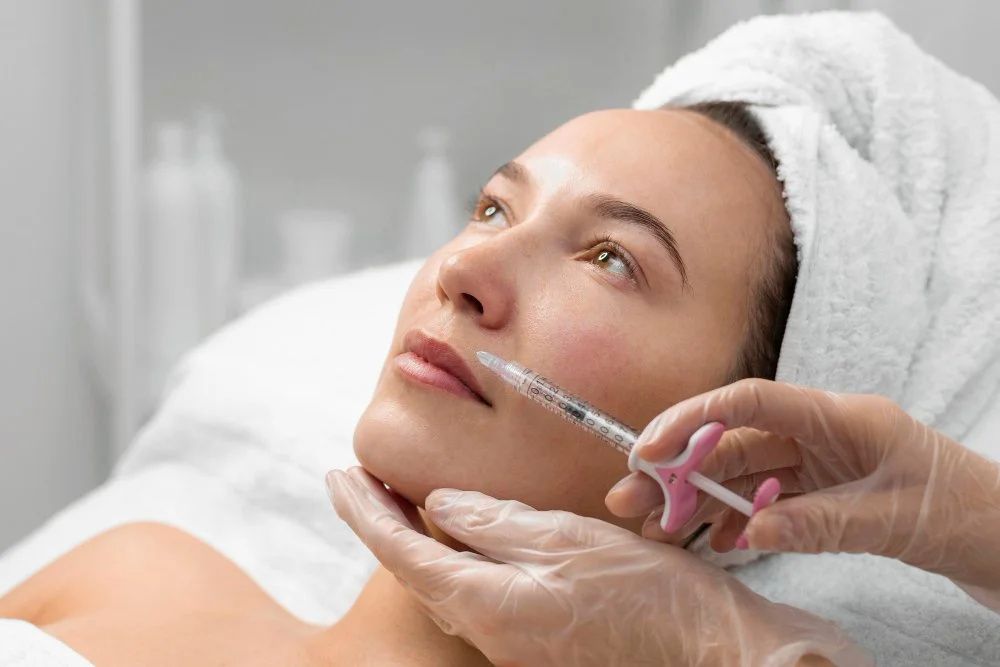
Which Areas Are More Likely to Bruise?
Certain facial and body areas contain more delicate blood vessels, making bruising slightly more common after treatment. These locations include:
- Under the eyes
- Around the mouth
- Cheeks
- Neck
- Hands
These regions have thinner skin or a richer network of capillaries, making even minor vessel disruption more noticeable. Fortunately, the discoloration usually fades naturally as the body reabsorbs the trapped blood over several days.
Factors That Increase the Risk of Bruising
Several factors can make bruising more likely after a skin booster procedure. While some are related to the treatment itself, others depend on individual characteristics.
Common factors include:
- Naturally fragile blood vessels
- Thin or delicate skin
- Increased skin sensitivity
- Vigorous physical activity immediately after treatment
- Individual healing response
- Multiple injection sites in one session
People who bruise easily in daily life may also notice temporary bruising after cosmetic injections because their capillaries are naturally more delicate.
How Does Skin Booster Treatment Affect Healing?
The purpose of Skin Booster Treatment is to improve hydration, skin texture, and overall skin quality by delivering hydrating ingredients beneath the skin's surface. During the healing process, the injected areas begin repairing tiny puncture sites while the skin gradually absorbs the nourishing ingredients.
Mild redness, swelling, tenderness, and bruising can occur together because they are part of the body's normal inflammatory response. As circulation removes the small amount of trapped blood beneath the skin, the bruise changes color from purple or blue to green and yellow before disappearing completely.
How Long Does Bruising Usually Last?
Most bruises improve within a few days, although complete fading may take one to two weeks depending on the individual. Recovery speed depends on age, skin condition, circulation, and overall healing ability.
During recovery, bruises often change color in stages, including:
- Dark blue or purple
- Green
- Yellow
- Light brown before disappearing
These color changes indicate that the body is naturally breaking down and clearing the blood beneath the skin.
Benefits of Skin Boosters Despite Temporary Bruising
Although bruising is a temporary concern for some individuals, the long-term improvements often outweigh this short-lived side effect.
Benefits include:
- Deep skin hydration
- Improved skin elasticity
- Smoother skin texture
- Increased skin radiance
- Softer appearance of fine lines
- Healthier-looking complexion
- Better overall skin quality
- Natural-looking rejuvenation
These improvements continue developing gradually as the skin responds to the hydrating ingredients and supports healthier tissue function.
Tips to Minimize Bruising After Treatment
While bruising cannot always be prevented completely, following simple aftercare recommendations may help reduce its severity and support smoother healing.
Helpful tips include:
- Apply a cold compress shortly after treatment if recommended.
- Avoid rubbing or massaging the treated area.
- Sleep with your head slightly elevated during the first night.
- Avoid strenuous exercise for the recommended recovery period.
- Stay well hydrated to support skin healing.
- Protect treated skin from excessive sun exposure.
Following appropriate aftercare allows the skin to recover comfortably while reducing unnecessary irritation around the injection sites.
When Should Bruising Be a Concern?
Most bruises are harmless and improve without intervention. Mild tenderness, slight swelling, and temporary discoloration are considered expected reactions following injectable skin treatments.
However, individuals should seek professional assessment if bruising is accompanied by severe pain, increasing swelling, unusual warmth, significant skin discoloration that worsens rapidly, or symptoms that persist much longer than expected. Monitoring the treated area helps distinguish normal healing from uncommon complications requiring attention.
Supporting Healthy Recovery After Treatment
Every person's skin heals at its own pace, which explains why bruising varies even among people receiving the same procedure. Maintaining a healthy skincare routine, staying hydrated, protecting the skin from unnecessary irritation, and following post-treatment guidance all contribute to smoother recovery. As the tiny injection sites heal, hydration gradually improves within the deeper layers of the skin, helping create a fresher, healthier, and naturally radiant appearance while temporary bruising steadily fades through the body's normal healing process.