
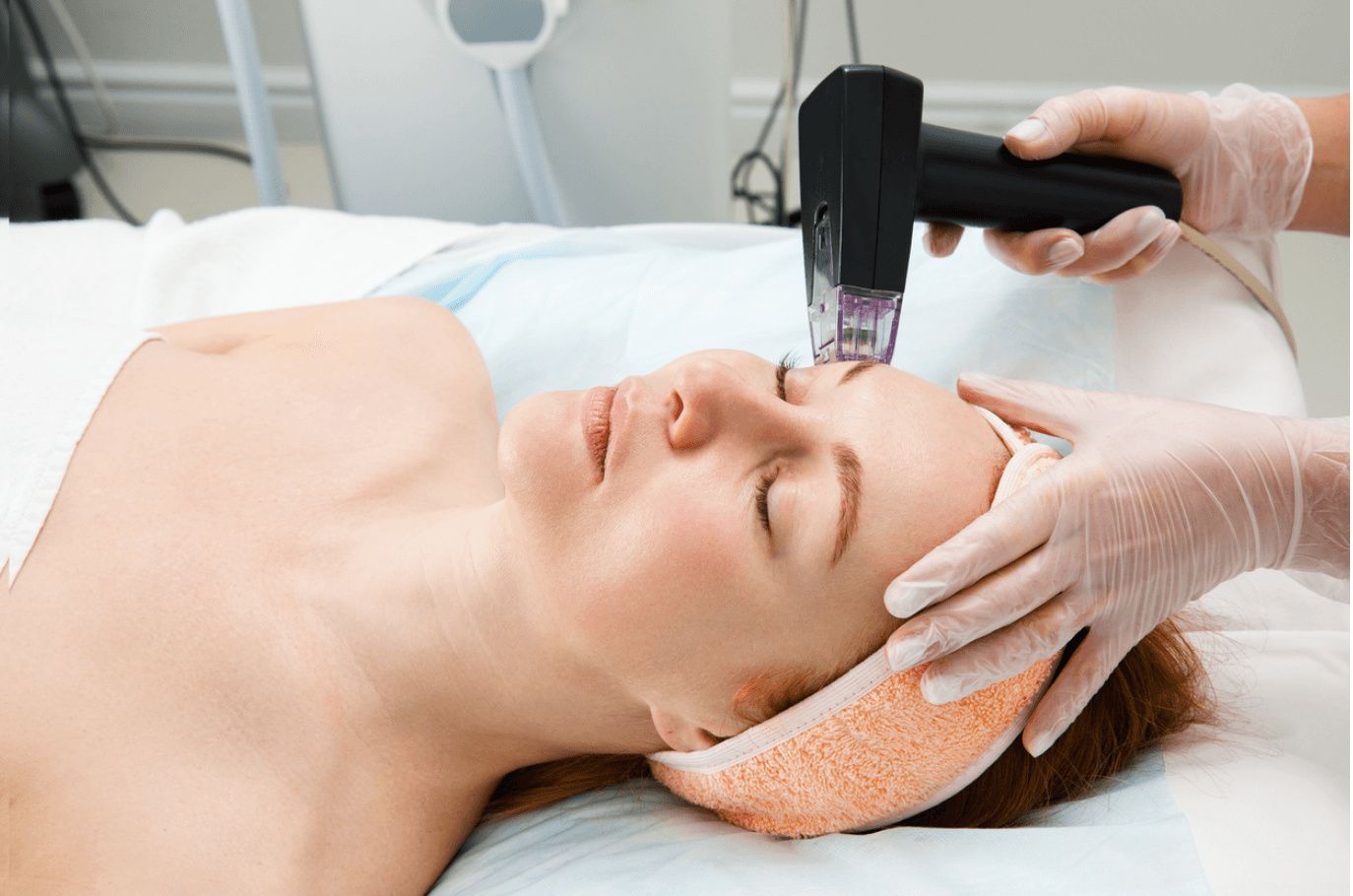
Morpheus8 is a popular radiofrequency microneedling treatment used to improve skin texture, firmness, acne scars, and other visible signs of skin aging. Because the treatment uses tiny needles to deliver radiofrequency energy into the skin, temporary redness and swelling are common parts of the recovery process. For people considering Morpheus8 in Dubai, understanding these changes can make the post-treatment period feel much more predictable.
The appearance and duration of redness or swelling can vary depending on the treatment depth, energy settings, treated area, and individual skin response. Knowing what is generally expected—and what may require professional attention—can help you care for your skin appropriately after treatment.
Why Does Morpheus8 Cause Redness and Swelling?
Morpheus8 combines microneedling with fractional radiofrequency energy. The tiny needles create controlled micro-injuries while radiofrequency energy produces controlled heating within the targeted layers of skin. This process stimulates the body's natural healing response and supports collagen remodeling.
As part of that response, blood flow to the treated area can temporarily increase. The skin may therefore appear pink or red, feel warm, or develop mild puffiness. Clinical literature on radiofrequency microneedling identifies erythema, edema, pain, and purpura among the commonly observed short-term effects, with many resolving within several days.
These temporary changes do not necessarily mean something has gone wrong. In many cases, they are simply signs that the skin is responding to the treatment.
What Does Redness Usually Look Like After Morpheus8?
Immediately after treatment, the skin may look similar to a mild sunburn. Redness can be more noticeable in areas where the treatment was performed more intensely or where the skin is naturally thinner or more sensitive.
During the first day, you may notice:
- Pink or red skin across the treated area
- A warm or slightly tight sensation
- Small pinpoint marks around the treatment sites
- Mild sensitivity or tenderness
- Slight unevenness in skin tone
The intensity of redness is not necessarily the same for everyone. Treatment settings and individual skin sensitivity can influence the visible reaction.
Understanding Swelling Patterns After Treatment
Swelling can appear alongside redness, particularly during the early recovery period. Facial areas with softer tissue may look slightly puffy, while swelling around more delicate areas can sometimes be more noticeable.
Mild swelling generally begins to settle as the skin moves through the initial healing stage. However, the exact timeline varies from person to person. Published clinical information on Morpheus8 and fractional radiofrequency microneedling reports that common effects such as edema and erythema often resolve within approximately five days, although individual recovery can be shorter or longer.
It is also possible for different parts of the face to recover at different rates. For example, one cheek may appear less red than the other, or swelling may be more noticeable in one area depending on treatment intensity and the skin's individual response.
A General Recovery Pattern
Although every person's experience is different, the recovery process often follows a gradual pattern.
First 24 Hours
Redness, warmth, and mild swelling are usually most noticeable during the early hours after treatment. The skin may feel sensitive, tight, or slightly irritated.
Following the aftercare instructions provided by your treatment professional is particularly important during this stage.
Days 2 to 3
Redness and swelling commonly begin to decrease. The skin may still look pink, and some people notice small marks or a rougher texture as the surface continues to recover.
According to published treatment guidance, microneedle openings can close within roughly one to three days, after which products such as moisturizer and sunscreen may be resumed according to professional instructions.
Days 4 to 7
For many people, the most visible redness and swelling have substantially improved by this stage. The skin may begin to look calmer and more even, although the deeper collagen-remodeling process continues beyond the initial recovery period.
Remember that visible recovery does not necessarily mean the full treatment result has developed. Skin remodeling can continue over time.
Factors That Can Affect Redness and Swelling
Recovery is influenced by several factors, so comparing your skin directly with another person's experience may not be useful.
Some factors include:
- Treatment depth and energy level
- The area being treated
- Individual skin sensitivity
- Skin type and tone
- Number of passes or treatment intensity
- Existing skin irritation
- How closely aftercare instructions are followed
For people seeking Morpheus8 in Dubai, these factors are especially relevant because individual treatment plans should account for the person's skin characteristics rather than relying on a one-size-fits-all approach.
How to Support Your Skin During Recovery
Gentle aftercare can help protect the treated skin while it recovers. Your provider's specific instructions should always take priority, but general principles may include keeping the skin clean, avoiding unnecessary touching, and protecting it from excessive sun exposure.
Helpful recovery habits may include:
- Use only recommended skincare products during the early recovery period.
- Avoid picking, rubbing, or scratching treated areas.
- Protect recovering skin from direct sun exposure.
- Avoid intense heat and activities that may excessively irritate the skin until your provider says they are appropriate.
- Keep the skincare routine simple while the skin barrier is recovering.
- Use sunscreen when your treatment professional confirms it is appropriate.
Cooling can also help with temporary discomfort and visible erythema or edema. Clinical treatment guidance notes that cooling immediately after radiofrequency microneedling can reduce discomfort and redness or swelling.
When Should Redness or Swelling Be Checked?
Mild redness and swelling are generally expected after a procedure that intentionally creates controlled skin injury and heating. However, symptoms that become increasingly severe or fail to improve should not simply be ignored.
Contact your treatment professional if you notice unusual or worsening symptoms such as:
- Increasing rather than decreasing swelling
- Significant or worsening pain
- Pus or unusual drainage
- Persistent intense redness
- Skin changes that concern you
- Symptoms that do not follow the expected recovery pattern
Persistent swelling can occasionally occur after radiofrequency microneedling. One published review reported prolonged swelling lasting more than six weeks in a small percentage of patients, highlighting why unusual or persistent symptoms deserve professional assessment.
What Can You Expect From Morpheus8 Recovery?
Morpheus8 recovery is usually characterized by temporary redness, mild swelling, sensitivity, and other short-term skin changes rather than prolonged downtime. However, there is no single recovery timeline that applies to everyone.
When considering Morpheus8 in Dubai, it is useful to discuss your skin type, treatment area, expected recovery, and aftercare requirements during your consultation. Having realistic expectations can make the experience more comfortable and help you understand the difference between normal post-treatment changes and symptoms that need attention.
Final Thoughts
Redness and swelling after Morpheus8 are commonly associated with the skin's natural response to microneedling and radiofrequency energy. These changes are typically temporary and gradually become less noticeable as the skin recovers.
Understanding the usual recovery pattern, following professional aftercare guidance, and paying attention to unusual symptoms can help support a smoother recovery. With the right expectations and appropriate skin care, patients can approach Morpheus8 in Dubai with a clearer understanding of what their skin may look and feel like after treatment.