
Understanding pigmentation treatment mechanisms is essential for anyone seeking clear, even-toned skin. Pigmentation Treatment in Dubai has become increasingly sought-after due to rising awareness of skin health and cosmetic care. Clinics like Dynamic Clinic in Dubai offer advanced solutions that target hyperpigmentation at its source, combining scientific methods with personalized treatment plans.
What Causes Skin Pigmentation
Pigmentation occurs when melanin, the natural pigment responsible for skin color, is produced in excess or unevenly distributed. Common triggers include:
- Sun exposure – UV rays stimulate melanin production, leading to sunspots or freckles.
- Hormonal changes – Conditions like pregnancy or hormonal therapy can trigger melasma.
- Inflammation or injury – Acne scars, cuts, or burns can leave dark marks on the skin.
- Genetics – Some individuals are naturally more prone to hyperpigmentation.
Recognizing the cause is crucial because treatment effectiveness depends on addressing the underlying mechanism rather than just masking the appearance.
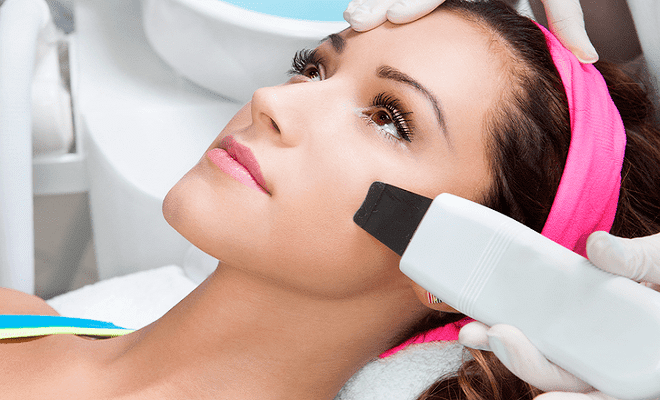
Key Mechanisms Behind Pigmentation Treatments
Pigmentation treatments work by targeting melanin production, distribution, or the removal of pigmented cells. The main mechanisms include:
1. Melanin Suppression
Many treatments focus on slowing down melanin synthesis in the skin. Ingredients and technologies that achieve this include:
- Topical agents like hydroquinone, kojic acid, and arbutin
- Chemical peels using acids such as glycolic or lactic acid
- Laser therapies that target melanocytes without harming surrounding skin
Reducing melanin production prevents existing pigmentation from worsening and helps maintain an even skin tone over time.
2. Skin Cell Turnover Enhancement
Accelerating skin cell turnover removes pigmented cells more efficiently. Techniques often used are:
- Exfoliation through mechanical or chemical means
- Microneedling that stimulates collagen production while improving pigment fading
- Retinoids which promote regeneration of healthy skin cells
This mechanism not only addresses pigmentation but also improves overall skin texture and radiance.
3. Pigment Fragmentation
Laser and light-based therapies can break down pigment particles into smaller fragments. These tiny fragments are naturally eliminated by the body’s immune system. Common approaches include:
- Q-switched lasers specifically designed for melanin targeting
- Intense Pulsed Light (IPL) that addresses multiple pigmentation issues simultaneously
- Fractional lasers that treat deeper layers of skin without surface damage
This method is highly precise and allows for targeted treatment of stubborn spots without affecting healthy skin.
4. Inhibiting Melanin Transfer
Some treatments prevent melanin from moving from melanocytes to surrounding skin cells. Topical agents and serums often play a key role here, helping to maintain skin uniformity while preventing new pigmentation. Ingredients like niacinamide are commonly used in this approach.
Factors That Influence Treatment Choice
Selecting the right pigmentation treatment requires understanding various factors:
- Skin type – Different skin tones react differently to laser or chemical treatments.
- Type of pigmentation – Sunspots, melasma, and post-inflammatory hyperpigmentation may require distinct approaches.
- Severity and depth – Superficial pigmentation often responds to topical treatments, while deeper pigment may need laser therapy.
- Lifestyle habits – Sun protection, diet, and skincare routines influence treatment success.
Considering these factors ensures a safe, effective, and long-lasting result.
Supporting Treatments for Pigmentation
In addition to primary mechanisms, supportive measures enhance the results of pigmentation treatments:
- Daily sun protection with broad-spectrum sunscreen
- Moisturizing and barrier repair to prevent irritation and pigmentation recurrence
- Antioxidant-rich skincare to protect against free radicals and UV-induced damage
- Regular follow-ups to monitor skin response and adjust treatment plans
These supportive steps are essential for maintaining skin health and prolonging treatment results.
Understanding the Timeline and Results
Pigmentation treatment is rarely instantaneous. Patients should expect gradual improvement, often requiring multiple sessions depending on the technique:
- Topical therapies may show results within 6–12 weeks
- Chemical peels and microneedling can show visible changes after 3–4 sessions
- Laser therapies often require 2–6 sessions for optimal outcomes
Consistency and adherence to post-treatment care are crucial for achieving uniform and lasting results.
Common Myths About Pigmentation Treatment
Awareness of misconceptions helps patients make informed decisions:
- “Pigmentation can be completely erased in one session” – Most treatments require multiple sessions.
- “Laser damages all skin types” – Advanced lasers are customizable to suit different skin tones.
- “Topical creams are enough for severe pigmentation” – Deeper pigmentation often needs procedural intervention.
Understanding these realities ensures realistic expectations and safer treatment experiences.
Conclusion
Understanding pigmentation treatment mechanisms provides insight into how various therapies work to restore skin balance. From melanin suppression to pigment fragmentation and skin cell turnover, each method addresses a specific aspect of pigmentation. Coupled with supportive care and professional guidance, these treatments can significantly improve skin tone and clarity. Pigmentation Treatment in Dubai continues to advance with science-backed methods, offering targeted solutions for lasting results while prioritizing safety and skin health.