
Hair restoration has become a key solution for individuals experiencing hair thinning or baldness, and FUT Hair Transplant in Dubai has gained recognition as an effective approach for long-term results. At Dynamic Clinic in Dubai, patients explore this technique not just for immediate hair density improvement but also for understanding how it influences future hair loss patterns. Understanding these implications is essential for anyone considering hair transplantation in the UAE.
What Is FUT Hair Transplant?
Follicular Unit Transplantation (FUT) is a surgical method where a strip of scalp containing healthy hair follicles is removed from the donor area, usually the back of the head. These follicles are then carefully transplanted to areas experiencing hair loss. FUT differs from other methods like FUE because it allows for larger sessions in a single procedure, making it suitable for extensive hair restoration.
Key Features of FUT
- High follicle survival rate: Ensures transplanted hair integrates naturally.
- Dense results in one session: Particularly beneficial for patients with significant bald patches.
- Precision in hairline design: Allows for natural-looking growth patterns.
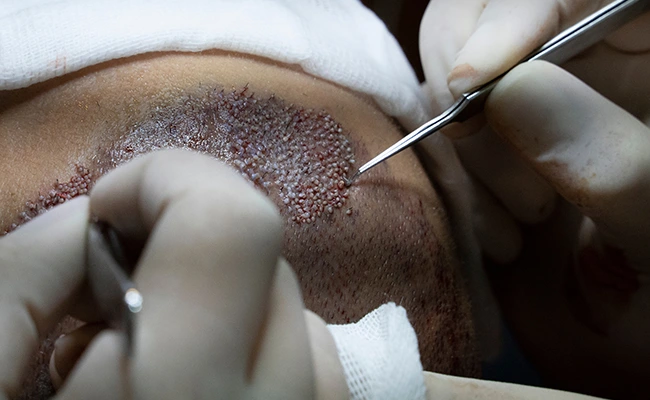
How FUT Impacts Future Hair Loss
Understanding the long-term effects of FUT is crucial, as hair loss is an ongoing process influenced by genetics, hormones, and lifestyle factors. While FUT restores hair in the treated area, it does not prevent future hair loss in untreated regions.
Stability of Donor Hair
The transplanted hair comes from the donor area, which is genetically resistant to hair loss. This means:
- Transplanted follicles are permanent: They usually continue growing for a lifetime.
- No impact on donor site health: The removal of the strip does not accelerate hair loss in surrounding areas.
Considerations for Non-Transplanted Hair
Patients often notice hair thinning around untreated areas after FUT. It's important to:
- Monitor hair density in the frontal and crown regions regularly.
- Consider adjunct therapies like PRP (Platelet-Rich Plasma) or topical treatments to slow natural hair loss.
- Plan future transplant sessions if thinning occurs beyond the initial coverage.
Recovery and Hair Growth Timeline
Post-FUT recovery is generally straightforward, but knowing the growth stages helps set realistic expectations:
- Initial healing: Scalp sutures dissolve in 10–14 days; minor redness may persist.
- Shedding phase: Transplanted hairs may shed within 2–3 weeks, which is normal.
- Regrowth: New hair begins to appear around 3–4 months post-surgery.
- Full results: Noticeable density and texture improvements typically occur at 9–12 months.
Adhering to post-operative care protocols reduces complications and ensures healthy integration of transplanted follicles.
Factors Influencing Future Hair Loss After FUT
While the transplanted hair remains permanent, several factors affect the longevity of surrounding non-transplanted hair:
- Genetics: Family history of male or female pattern baldness is a strong predictor.
- Hormonal changes: Fluctuations in androgens can trigger further thinning.
- Lifestyle factors: Poor nutrition, stress, and certain medications can accelerate hair loss.
- Age: Natural hair density decreases with age, which may necessitate touch-up sessions.
Benefits of FUT Compared to Other Techniques
Choosing FUT over alternative hair restoration methods can influence long-term outcomes:
- Efficient for large areas: FUT allows for more grafts in a single session, minimizing multiple surgeries.
- Higher yield per session: Fewer grafts are lost during extraction compared to some FUE procedures.
- Cost-effective for extensive loss: Although price is not the focus, fewer sessions may be required for full coverage.
Maintaining Hair Health After FUT
Proper maintenance enhances the longevity of both transplanted and existing hair. Recommendations include:
- Using gentle shampoos and avoiding harsh chemical treatments.
- Following a nutrient-rich diet that supports hair follicle health.
- Protecting the scalp from excessive sun exposure and trauma.
- Regularly monitoring hair density to detect early signs of thinning.
Addressing Misconceptions
Many patients have concerns about FUT and future hair loss:
- “Transplanted hair will fall out quickly” – False; donor hair is typically permanent.
- “FUT prevents all future hair loss” – False; it only restores areas treated, leaving untreated areas susceptible.
- “Scarring ruins appearance” – False; modern FUT techniques leave thin, linear scars easily concealed by surrounding hair.
Conclusion
FUT Hair Transplant can provide long-lasting results for individuals seeking significant hair restoration, especially when performed at specialized clinics like Dynamic Clinic in Dubai. While transplanted hair generally remains permanent, ongoing hair loss in non-treated areas may occur due to genetics and hormonal factors. Understanding these dynamics allows patients to plan effectively for long-term hair health, maintain realistic expectations, and explore complementary therapies as needed. With proper care and monitoring, FUT remains a reliable solution for achieving natural-looking hair while managing future hair loss patterns.