
How Does Skin Booster Injection Affect Skin Cells? is a frequently searched question among individuals looking to improve skin texture, hydration, and overall skin health in Dubai. In modern aesthetic skincare discussions, the role of skin booster injection treatments has gained attention due to their ability to support skin quality from within rather than only targeting surface-level concerns. In clinical skincare environments such as Dynamic Life Clinic, these treatments are often explored as part of a broader skin rejuvenation approach focused on cellular health and hydration balance. The growing interest reflects a shift toward regenerative skin solutions that interact directly with skin cell function.
Understanding Skin Booster Injections and Skin Cell Biology
Skin boosters are injectable formulations primarily composed of hyaluronic acid or bioactive compounds designed to improve skin hydration and quality. To understand their effect, it is important to recognize how skin cells function, particularly fibroblasts, keratinocytes, and extracellular matrix components.
Fibroblasts are responsible for producing collagen and elastin, two structural proteins that maintain skin firmness and elasticity. Keratinocytes form the outer protective layer of the skin, while the extracellular matrix (ECM) acts as a supportive network that maintains hydration and structural integrity.
When skin begins to age or is exposed to environmental stressors such as UV radiation and pollution, these cellular functions gradually slow down, leading to dryness, fine lines, and reduced elasticity.
How Skin Booster Injection Works at Cellular Level
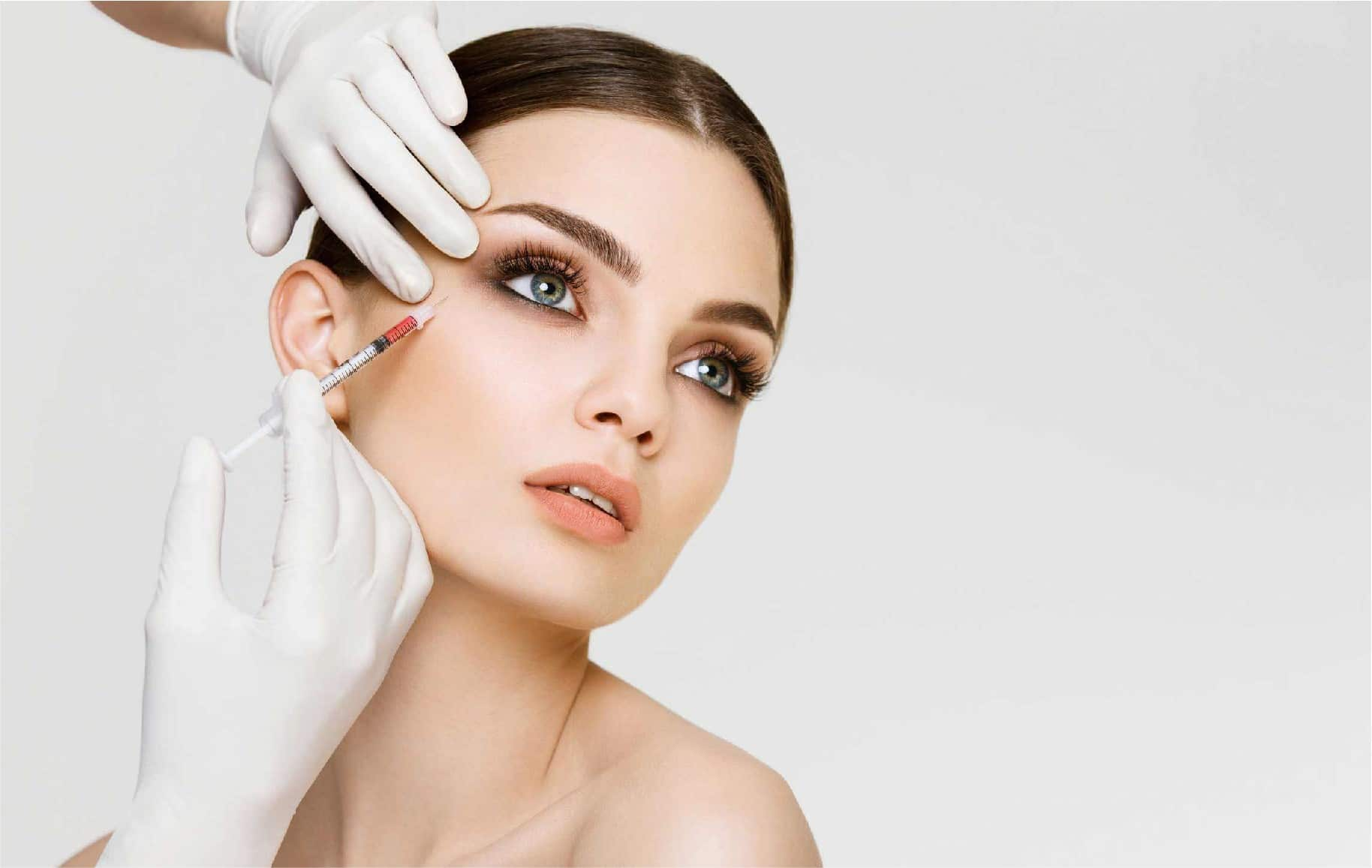
A skin booster injection works by delivering hydrating substances directly into the dermal layer of the skin, where cellular activity is most active. Unlike topical skincare products, which remain on the surface, injectables interact directly with skin cells and the surrounding matrix.
Once introduced into the dermis, hyaluronic acid molecules attract and bind water, creating a hydrated environment that supports cellular communication and metabolic activity. This hydration environment enhances nutrient diffusion, allowing skin cells to function more efficiently.
The increased hydration also supports better oxygen flow and waste removal at a cellular level, contributing to improved skin clarity and texture over time.
Key Cellular Effects on Fibroblasts and Collagen Production
One of the most significant biological responses triggered by skin boosters occurs in fibroblast activity. These cells respond positively to improved hydration and dermal stimulation.
Key effects include:
- Increased fibroblast activation leading to improved collagen synthesis
- Enhanced elastin production for better skin elasticity
- Strengthening of the extracellular matrix structure
- Improved skin density and resilience over time
This process does not artificially replace skin structure but encourages the skin’s natural regenerative ability, making it a gradual and biologically supported improvement rather than a surface-level change.
Hydration Mechanism and Skin Barrier Improvement
Hydration is one of the core functions influenced by skin booster treatments. The hyaluronic acid used in these injections binds water molecules within the dermis, creating long-lasting hydration reservoirs.
At the cellular level, this hydration impacts the skin barrier in several ways:
- Strengthens lipid barrier function by improving cell cohesion
- Reduces transepidermal water loss (TEWL)
- Enhances cell turnover and renewal processes
- Supports a smoother and more even skin texture
In environments like Dubai, where heat and dryness can accelerate moisture loss, this hydration mechanism plays a particularly important role in maintaining skin balance.
Biological Response: Elasticity, Repair, and Regeneration
Skin cells respond to skin boosters through a natural biological cascade that supports repair and regeneration. As hydration levels increase and cellular communication improves, the skin becomes more responsive to repair signals.
This leads to:
- Improved elasticity due to better collagen fiber organization
- Faster skin repair response to minor environmental damage
- Enhanced cellular turnover, supporting fresher-looking skin
- Reduction in visible fine lines caused by dehydration
The regenerative response is gradual and depends on the skin’s baseline condition, but it consistently supports long-term skin quality improvement.
Benefits Observed in Skin Quality in Dubai Climate
The climate in Dubai presents unique challenges for skin health due to high temperatures, sun exposure, and dry air conditions. These factors often lead to dehydration at the cellular level, affecting skin texture and radiance.
Skin boosters help counter these effects by restoring hydration balance and supporting deeper skin resilience. Common improvements observed include:
- Increased skin glow due to better light reflection from hydrated cells
- Reduced dryness and flakiness in exposed areas
- Smoother texture with improved dermal moisture retention
- More balanced oil and moisture levels in combination skin types
These benefits make skin boosters a relevant option for individuals seeking to maintain skin health in harsh environmental conditions.
Safety Considerations and Skin Compatibility
Skin booster treatments are generally well-tolerated when administered correctly, as they use substances that naturally exist in the skin. However, skin compatibility varies depending on individual skin type, sensitivity levels, and underlying conditions.
At the cellular level, the skin typically responds through mild inflammatory signaling that helps initiate regeneration processes. This response is temporary and part of the natural healing mechanism.
Important considerations include:
- Skin sensitivity and hydration levels prior to treatment
- Existing dermatological conditions that may affect response
- Overall skin barrier strength and recovery capacity
- Post-treatment care to support cellular balance
Proper assessment ensures that skin cells respond optimally to the treatment without unnecessary stress.
Aftercare and Cellular Recovery Process
After receiving a skin booster injection, the skin enters a recovery phase where cellular activity gradually increases. During this period, fibroblasts and keratinocytes adapt to improved hydration and begin adjusting their metabolic functions.
The recovery process typically involves:
- Temporary mild swelling as fluid integrates into dermal layers
- Gradual stabilization of hydration levels within skin cells
- Progressive improvement in skin texture as cellular repair continues
- Enhanced skin smoothness as ECM structure strengthens
Supporting the skin during this phase through hydration and gentle skincare helps maintain the biological benefits achieved through the treatment.
Conclusion
Skin boosters influence skin cells through direct hydration, improved fibroblast activity, and enhanced extracellular matrix function. By interacting at a dermal level, they support natural biological processes that maintain skin firmness, elasticity, and overall quality. In climates such as Dubai, where environmental stressors can impact cellular hydration, these treatments contribute to maintaining a healthier and more resilient skin structure over time.