
Achieving smoother, firmer-looking skin without surgery has become an important goal for people dealing with fine lines, uneven texture, enlarged pores, acne scars, or mild skin laxity. Fractional RF Microneedling in Dubai combines controlled microneedling with radiofrequency (RF) energy to address several of these concerns at once. By delivering RF energy into targeted layers of the skin, the treatment can encourage collagen remodeling while creating microscopic channels that support the skin’s natural renewal process. Recent clinical evidence suggests that radiofrequency microneedling can improve skin texture and tightening, with temporary redness and swelling among the most commonly reported effects.
What Is Fractional RF Microneedling?
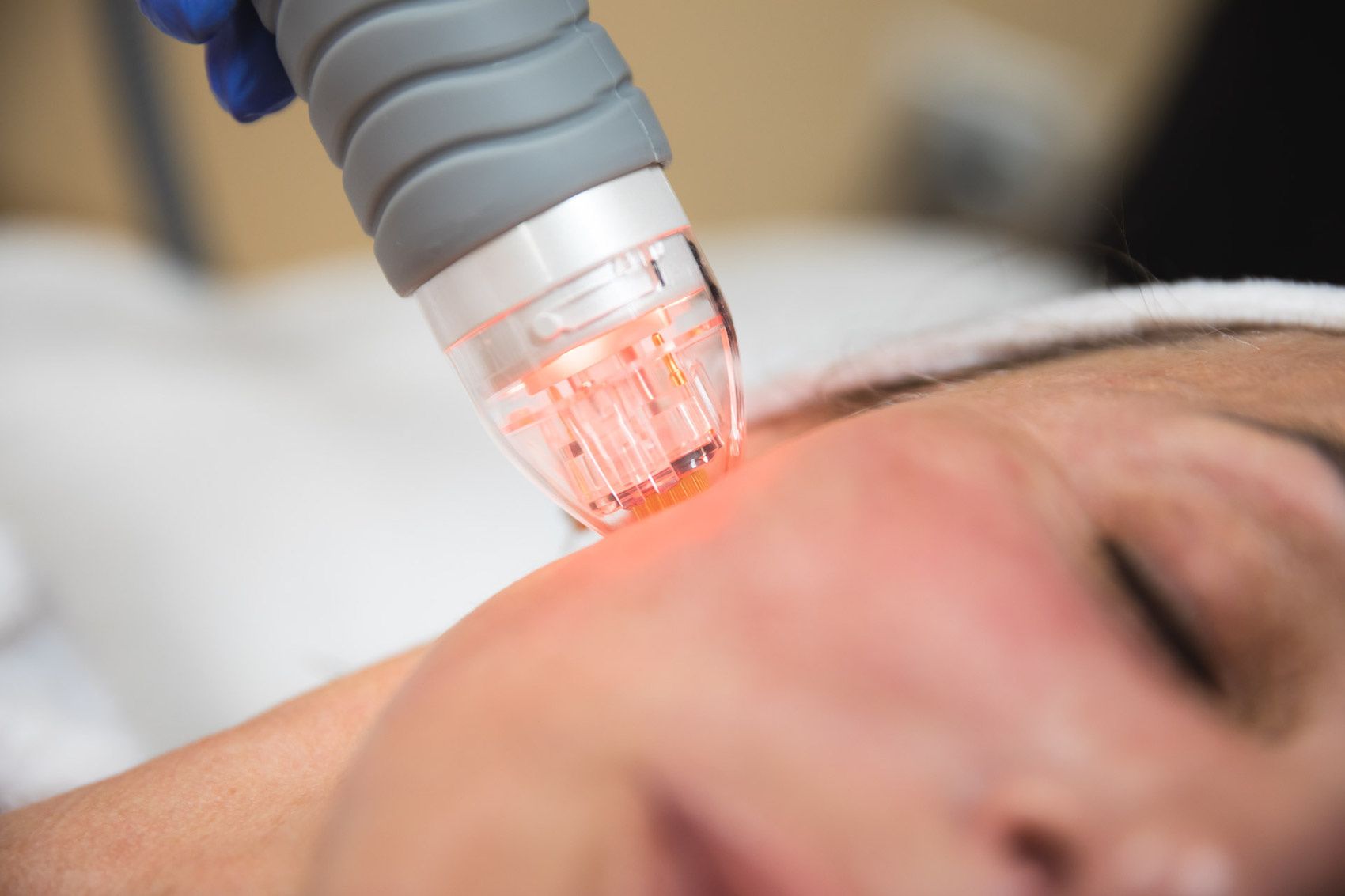
Fractional RF microneedling is a minimally invasive skin rejuvenation procedure that combines two technologies: microneedling and radiofrequency energy. Fine needles create controlled micro-injuries at selected depths, while RF energy generates heat within the dermis.
This combination is designed to stimulate the skin’s natural repair response. As the treated tissue remodels, collagen and elastin production can increase, gradually improving firmness and texture rather than producing an instant, artificial-looking change.
The “fractional” approach means that energy is delivered to selected microscopic treatment points rather than uniformly treating every part of the skin. This can leave surrounding tissue intact, helping support the healing process and potentially reducing downtime compared with more aggressive resurfacing procedures.
Research reviews have reported improvements in wrinkles, skin tightening, and overall facial rejuvenation following fractional radiofrequency treatments. However, treatment parameters and devices vary considerably, so results can differ between individuals.
How Does RF Microneedling Make Skin Look Firmer?
Collagen is one of the major structural proteins responsible for skin strength and firmness. With age, collagen production naturally decreases, contributing to wrinkles, laxity, and changes in skin texture.
During RF microneedling, controlled thermal energy is delivered into the deeper skin layers through the microneedling tips. This controlled heat can trigger a wound-healing response and encourage collagen remodeling.
The process is gradual. Instead of simply tightening the surface temporarily, the goal is to support changes within the dermis over time. A review of higher-quality studies found that RF microneedling can produce progressive dermal remodeling and neocollagenesis, with improvements continuing for months after treatment.
This makes collagen stimulation treatment particularly interesting for people who want a refreshed appearance without undergoing surgical skin tightening.
What Skin Concerns Can Fractional RF Microneedling Address?
One of the reasons fractional RF microneedling has become popular is its versatility. It may be considered for several common skin concerns, although the suitability of treatment depends on individual skin characteristics and the assessment of a qualified professional.
Potential treatment goals can include:
- Fine lines and mild wrinkles
- Uneven skin texture
- Enlarged or visible pores
- Mild skin laxity
- Acne scars
- Rough or tired-looking skin
- Certain signs of photoaging
- Loss of firmness around areas such as the cheeks or jawline
Clinical research also supports the use of fractional radiofrequency microneedling for atrophic acne scars. A 2025 systematic review covering 16 studies and 481 patients concluded that the treatment was likely effective as a standalone option, while also noting the need for further research to establish standardized treatment parameters.
Because concerns vary, a treatment plan should not be based solely on the device name. Needle depth, RF settings, number of sessions, treatment area, and skin type all influence how the procedure should be performed.
What Happens During a Fractional RF Microneedling Session?
Before treatment, the skin is generally assessed to determine the areas of concern and whether RF microneedling is appropriate. A topical anesthetic may be used to make the procedure more comfortable.
Once the skin is prepared, the device is passed over the selected treatment areas. The microneedles enter the skin to a predetermined depth, and RF energy is delivered according to the treatment plan.
Patients may experience warmth, pressure, or brief pinching sensations. Comfort levels vary, and the intensity can depend on the treatment area, device settings, and individual sensitivity.
Afterward, the skin may appear red or slightly swollen. These effects are generally temporary, although recovery varies depending on treatment intensity and personal healing characteristics.
Importantly, RF microneedling should be performed by an appropriately trained medical professional. The American Academy of Dermatology has highlighted the importance of clinician expertise following FDA safety concerns involving certain uses of RF microneedling.
Recovery and Results: What Should You Expect?
One advantage of fractional RF microneedling is that it generally does not require the prolonged recovery associated with some aggressive resurfacing procedures. However, “minimal downtime” does not mean there are no visible effects immediately afterward.
Temporary redness, swelling, sensitivity, or mild discomfort can occur. Earlier evidence reviews identified mild-to-moderate pain, transient erythema, and edema as common short-term effects, while pigmentation changes have also been reported in some studies.
Visible improvement may develop progressively rather than appearing immediately. As collagen remodeling takes place, skin can gradually look smoother and firmer.
Some people undergo a series of sessions rather than relying on one treatment. The appropriate number and spacing depend on the person’s skin condition, goals, treatment settings, and response.
A realistic approach is important. Fractional RF microneedling is not a surgical facelift, and it cannot completely eliminate significant excess skin. Its value is generally in improving skin quality, texture, firmness, and selected scars or wrinkles in an appropriately chosen patient.
Why Choose Fractional RF Microneedling for Smoother Skin?
Traditional microneedling can create controlled micro-injuries that stimulate the skin’s repair mechanisms. RF microneedling adds controlled thermal energy, allowing treatment to target deeper tissue.
This combination may make it appealing to people who want to improve both surface texture and deeper skin firmness. Research published in 2026 found that RF microneedling consistently improved aesthetic outcomes related to skin texture and tightening across the studies reviewed, while most reported adverse effects were mild and temporary.
Another potential advantage is its use across different skin types. Previous reviews have found RF microneedling to be an option for people with darker skin phototypes, although individualized settings and professional assessment remain important because pigmentation responses can vary.
For someone considering skin tightening treatment, the key is not simply choosing the newest technology. The quality of assessment, appropriate settings, sterile technique, practitioner expertise, and realistic expectations all contribute to a safer and more satisfactory experience.
Is Fractional RF Microneedling Right for You?
RF microneedling may be worth considering if your primary concerns involve texture, early signs of laxity, fine lines, pores, or acne scarring. However, not everyone is an ideal candidate.
A professional consultation should take into account your skin type, current skin condition, medical history, medications, previous procedures, tendency toward pigmentation changes, and desired outcome.
It is also important to discuss any active skin infections, inflammatory conditions, healing problems, or other factors that could affect treatment. A qualified practitioner can determine whether RF microneedling is appropriate or whether another procedure would better match your needs.
The technology should be viewed as a tool rather than a universal solution. Different skin concerns may respond better to different treatments, and combining procedures is not automatically better.
Final Takeaway
Smoother, firmer skin does not necessarily require surgery. Fractional RF microneedling works by combining controlled microneedling with radiofrequency energy to support collagen remodeling and improve selected concerns such as fine lines, uneven texture, acne scars, and mild laxity. Current evidence is encouraging, although treatment protocols vary and more standardized research is still needed.
If you are considering Fractional RF Microneedling Treatment, start with a professional consultation rather than choosing a procedure based only on before-and-after images. An individualized plan can help determine whether the treatment matches your skin type, concerns, and expectations while keeping safety and appropriate technique at the center of the process.